The information contained in this document is for reference only, check with local EMS protocols and training. WaveTalkers cannot be held liable for any information contained within this document if used outside scope, training and knowledge.
By Scott, EMT KM6RFB
Introduction:
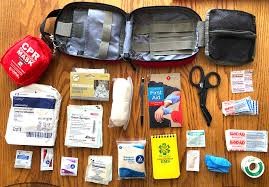
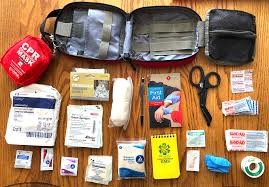
The importance of having a well-stocked first aid kit is critical for any emergency communication group. Whether you’re volunteering for a disaster response, supporting community events, or assisting with field operations, having the right tools and knowledge can make all the difference in an emergency. This post aims to guide you through the essential components of a first aid kit and why it’s important to tailor it to your group’s needs.
About the Author:
By Scott, EMT KM6RFB Placer County ARES EC
A retired Lt. Firefighter, EMT, Hazmat Specialist, and member of the Disaster Medical Assistance Team (DMAT), Scott has 27 years of experience in emergency medical services. He currently serves as a Safety Specialist under Federal HHS.
Why First Aid Kits Matter:
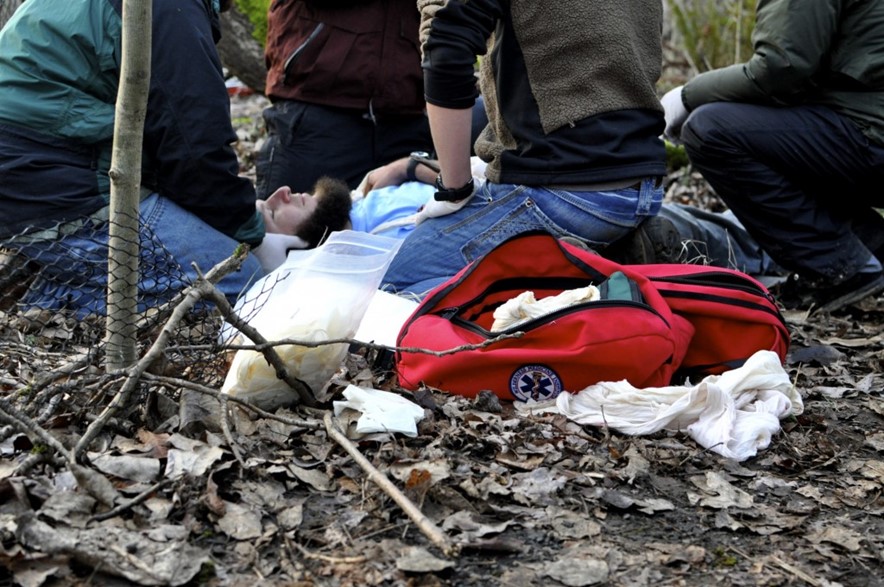
In emergency situations, especially those involving extended response times or limited access to definitive medical care, a first aid kit becomes your lifeline. However, it’s not just about carrying a box of supplies; it’s about knowing what’s inside, how to use it effectively, and recognizing when to seek professional help.
Key Considerations When Building Your First Aid Kit:
The contents of your first aid kit should reflect the size of your group, the specific medical needs, and the type of situations you anticipate. Here are some key factors to consider:
- Medical Knowledge of Group: Tailor your kit to the skill level of your group members. Ensure everyone has received appropriate FA/CPR training.
- Size and Duration of the Group: Larger groups may require more supplies, and longer deployments demand more comprehensive kits.
- Distance from Medical Care: A kit should be well-equipped for long periods without access to definitive care.
- Event or Mission Specifics: Consider the nature of the event. Will you need items for trauma care, burns, or environmental conditions like heat or cold?
Critical First Aid Items (P.A.W.S.):
I recommend organizing your kit using the PAWS acronym, which helps ensure you have the essential supplies for any situation:
- Prevention/Procedures: Trauma scissors, medical gloves, hydration mix, insect repellent, sunscreen, and hand sanitizer are key to preventing injury and infection.
- Analgesics/Antibiotics/Anaphylaxis: Ibuprofen, acetaminophen, antacid, and insect sting relief help address common medical concerns such as pain, upset stomachs, and allergic reactions.
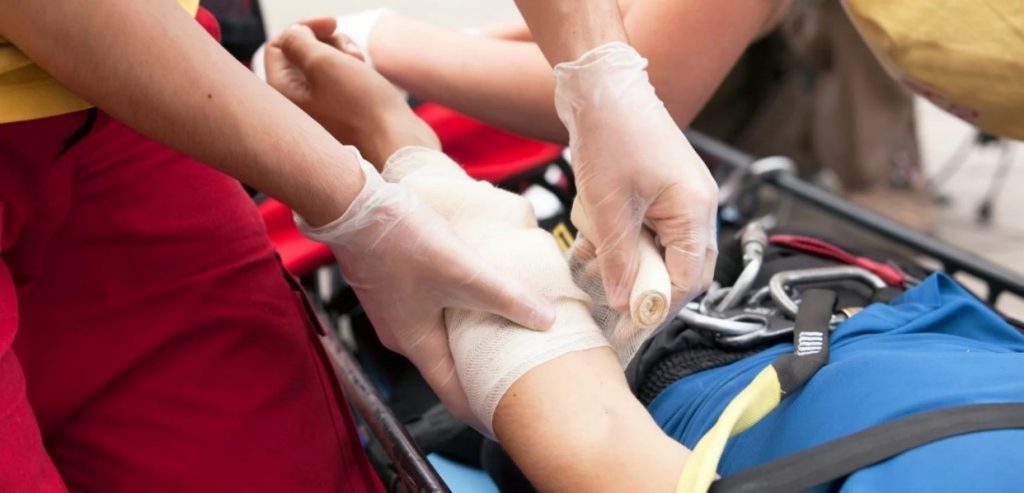
- Wound Care: Hemostatic gauze, trauma pads, gauze sponges, Band-Aids, and butterfly skin closures will be essential for treating injuries. Don’t forget wound dressing, splints, and disinfectants.
- Survival: Items like a survival blanket and emergency food/water can make a huge difference in a crisis.
Pre-Built Kits vs. Custom-Built Kits:
While pre-built kits offer convenience, they often fall short in quality and quantity for specific needs. When building your own, it’s essential to select high-quality items from trusted brands, such as McKesson or Medline, and purchase supplies in bulk to ensure you’re adequately stocked. Customizing your kit also allows you to add the necessary items for your unique group and the types of events you’ll support.
Maintaining Your Kit:
First aid kits are only useful if their contents remain in good condition. Expiration dates are crucial—medications, sterile items, and gloves can degrade over time. Regularly check your kit to ensure that everything is functional, especially for items like medical gloves, which can become brittle.
The Importance of Training:
Your first aid kit is only as effective as your team’s training. I highly recommend every member take a First Aid/CPR course. Familiarize yourself with how to use the kit’s contents and stay updated on new procedures. Understanding your limits and knowing when to seek help are just as important as having the right tools.
Automatic External Defibrillators (AEDs):
Consider investing in an AED for your group. These devices have become more affordable and are crucial for responding to sudden cardiac arrests. AEDs are user-friendly, with voice prompts to guide you through the process.
Documentation:
In the world of emergency response, documentation is vital. Keep accurate records of any injuries, treatments, and actions taken during an event. ICS forms, such as the ICS-214 (Activity Log) and ICS-206 (Medical Plan), should be used to ensure clear communication and accountability.
Conclusion:
Creating the perfect first aid kit for your emergency communication group requires careful thought and planning. By considering your group’s medical needs, training level, and the nature of your deployments, you can ensure you’re always prepared to handle any situation that arises.
Start by doing research, talking to local emergency professionals, and always remember that preparedness saves lives. And don’t forget—regular training and practice are key to making sure your first aid kit is used effectively when the time comes.
PREVENTION/PROCEDURES
| Item | Item |
| Trauma Shears | Nail Clippers |
| Medical Gloves (Nitrile) | Lip balm |
| Tweezers | SPF 50+ sunscreen |
| Hydration mix | Water resistant Notepad and Pen |
| Medical Tape (Cloth) | Hand sanitizer |
| Insect Repellent | Vaseline® |
| Ice Packs |
ANALGESICS/ANTIBIOTICS/ANAPHYLAXIS
*Note Be careful handing out medications due to allergies, potential medication conflicts and liability issues; this section is for personal use only. Know your state’s laws regarding providing medications. *
| Item | Items |
| Ibuprofen | Aspirin |
| Acetaminophen | Diphenhydramine |
| Loperamide (Imodium®) | Antacid (Tums®) |
| Insect Sting Relief | Betadine |
| Burn Gel (lidocane) | Cortisone Cream™ |
| Gold Bond Powder™ | Anti Chafing powder |
WOUND CARE
| Item | Item |
| Hemostatic Gauze | Self-adhesive wrap |
| Moleskin | Alcohol prep pad |
| Gauze Sponges (Sterile & Non-Sterile) | Antibacterial ointment |
| Adhesive Bandages (Fabric) | Triangular Bandage |
| Knuckle bandages (Fabric) | Sam® Splint |
| Steri Strips Closures | Elastic Bandage (4” Min) |
| Trauma Pads | Eye Wash Solution (4oz) |
| Roller Gauze | Eye Drops (Single Use) |
| Cotton Swabs | Clotting agent |
| CAT® Torniquet | Tegaderm® Transparent Film Dressing |
SURVIVAL
| Item | Item |
| Survival blanket (84˝ x 52˝) | |
